Good old Facebook.
That’s how my friend Margo and I became reacquainted.
We had met years earlier at The Art Institute of Fort Lauderdale through a mutual friend, but she was also a classmate. After reconnecting on Facebook, we exchanged phone numbers and eventually found ourselves talking for hours about our college days—mutual friends, people who had gone their separate ways, people who had passed away, and, of course, where life had taken each of us.
One day, as we were wrapping up one of those marathon conversations, Margo suggested that we take a vacation together.
Someplace exotic.
I figured she was probably joking.
So naturally, I told her to put her money where her mouth was.
A couple of days later, she called me.
She had researched Costa Rica and found what she said was a great deal, including airfare and lodging.
She had called my bluff.
I was in.
Our adventure would begin by meeting in Boston and flying to San José, Costa Rica. From there, we would make our way toward Quepos and Manuel Antonio on Costa Rica’s Pacific coast.
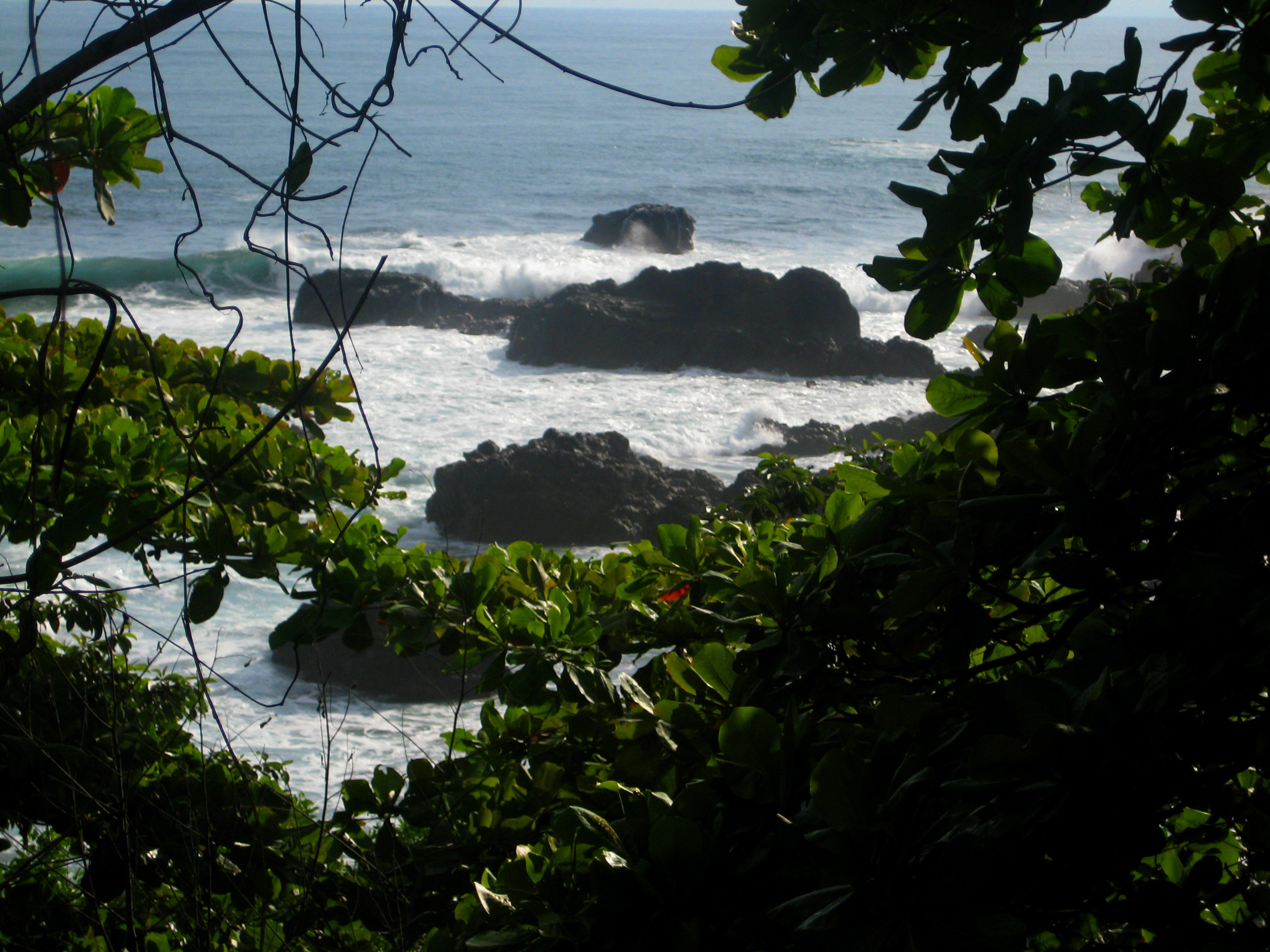
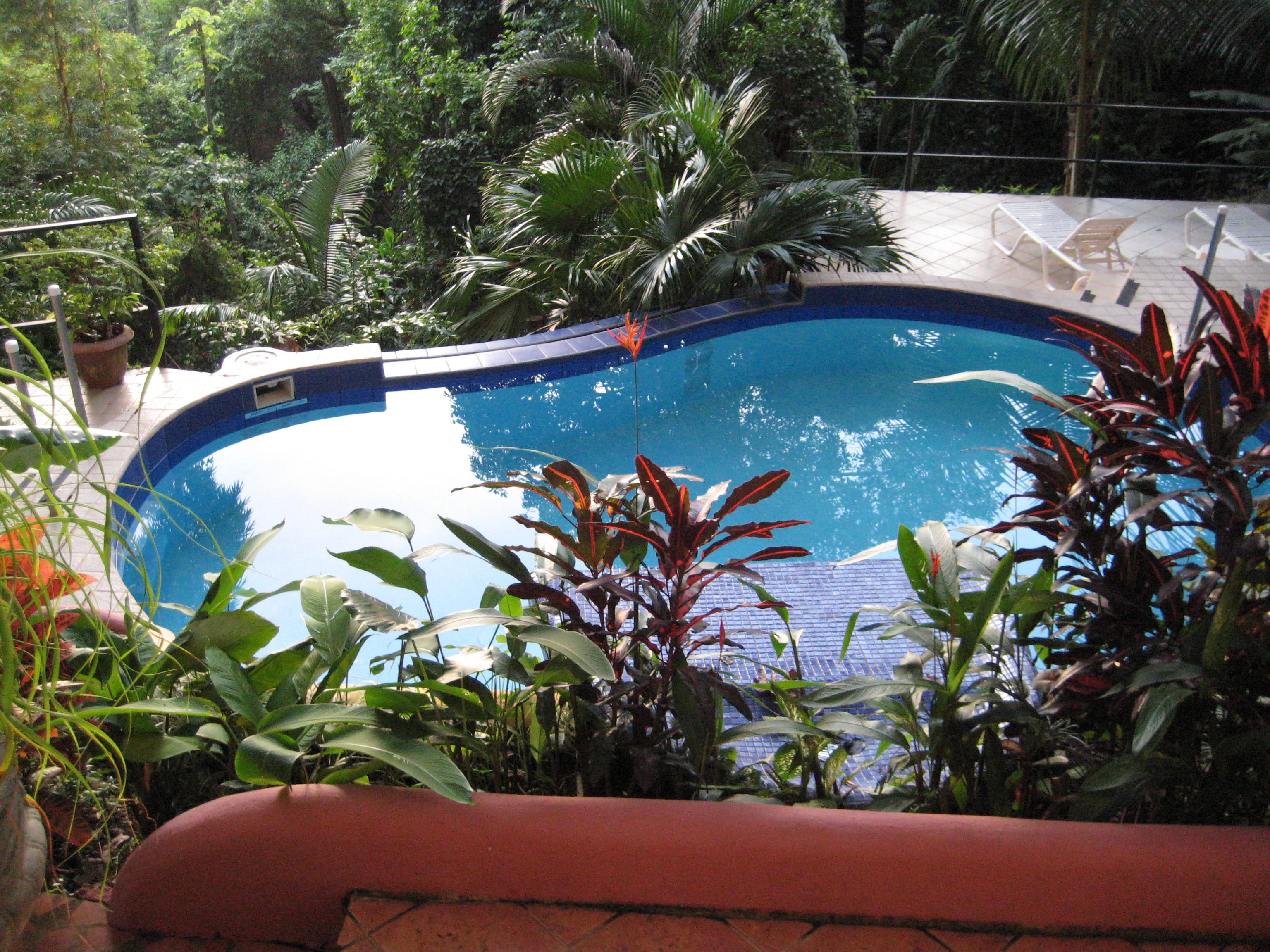
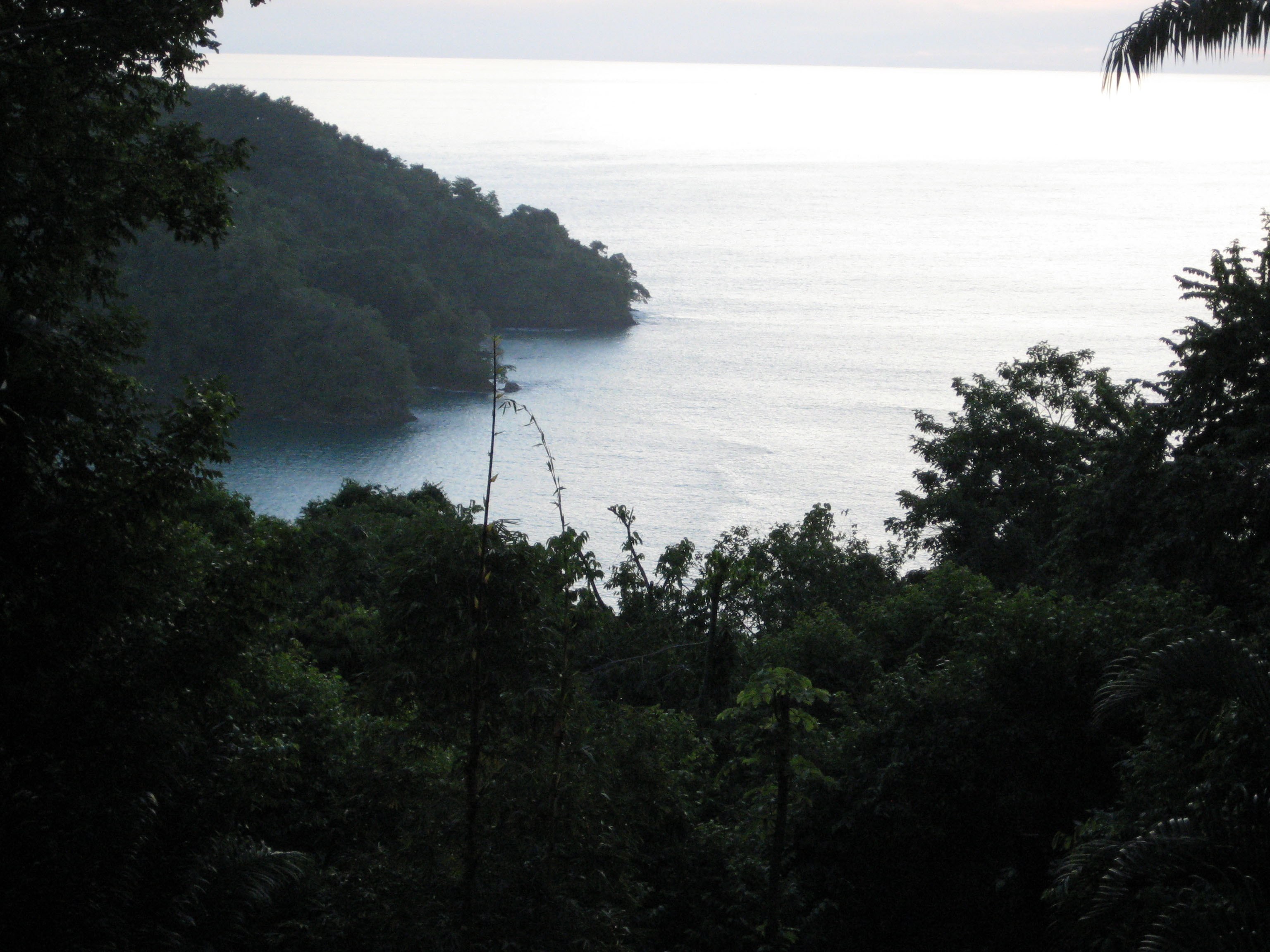
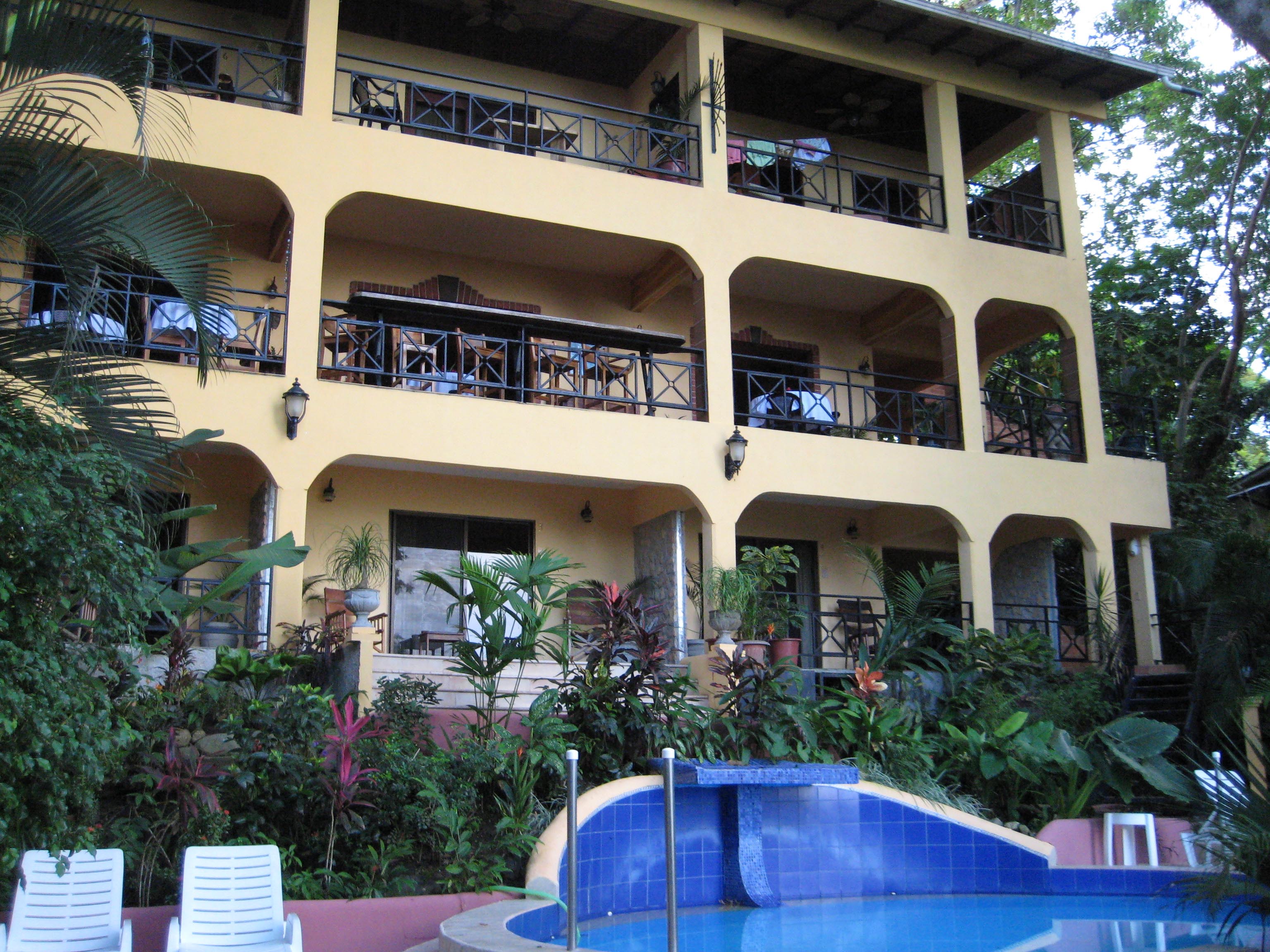
Our destination was Mango Moon Villa, a small boutique property overlooking the Pacific and surrounded by tropical rainforest.
At the time, I didn’t know much about Manuel Antonio, Quepos or Costa Rica.
I simply knew we were going somewhere exotic.
And I was ready to see what was waiting for us.
The Road to Quepos
We met our shuttle driver at Juan Santamaría International Airport (SJO) outside San José.
He didn’t speak English.
We didn’t speak Spanish.
Fortunately, Margo spoke relatively good Italian, and somehow the languages were close enough—or our mutual determination was strong enough—that we managed to communicate.
It was going to be a long drive.
Roughly three hours from the airport to Quepos.
And those three hours became our first introduction to Costa Rica.
Our driver pointed things out along the way, explaining what we were seeing and occasionally telling us things that, years later, I would wonder about.
At one point, he pointed out the large palms lining the road. What we initially thought were “olive palms” were actually African oil palms, which are cultivated extensively in parts of Costa Rica.
We drove through winding roads, hills and agricultural areas, eventually making our way toward the Pacific.
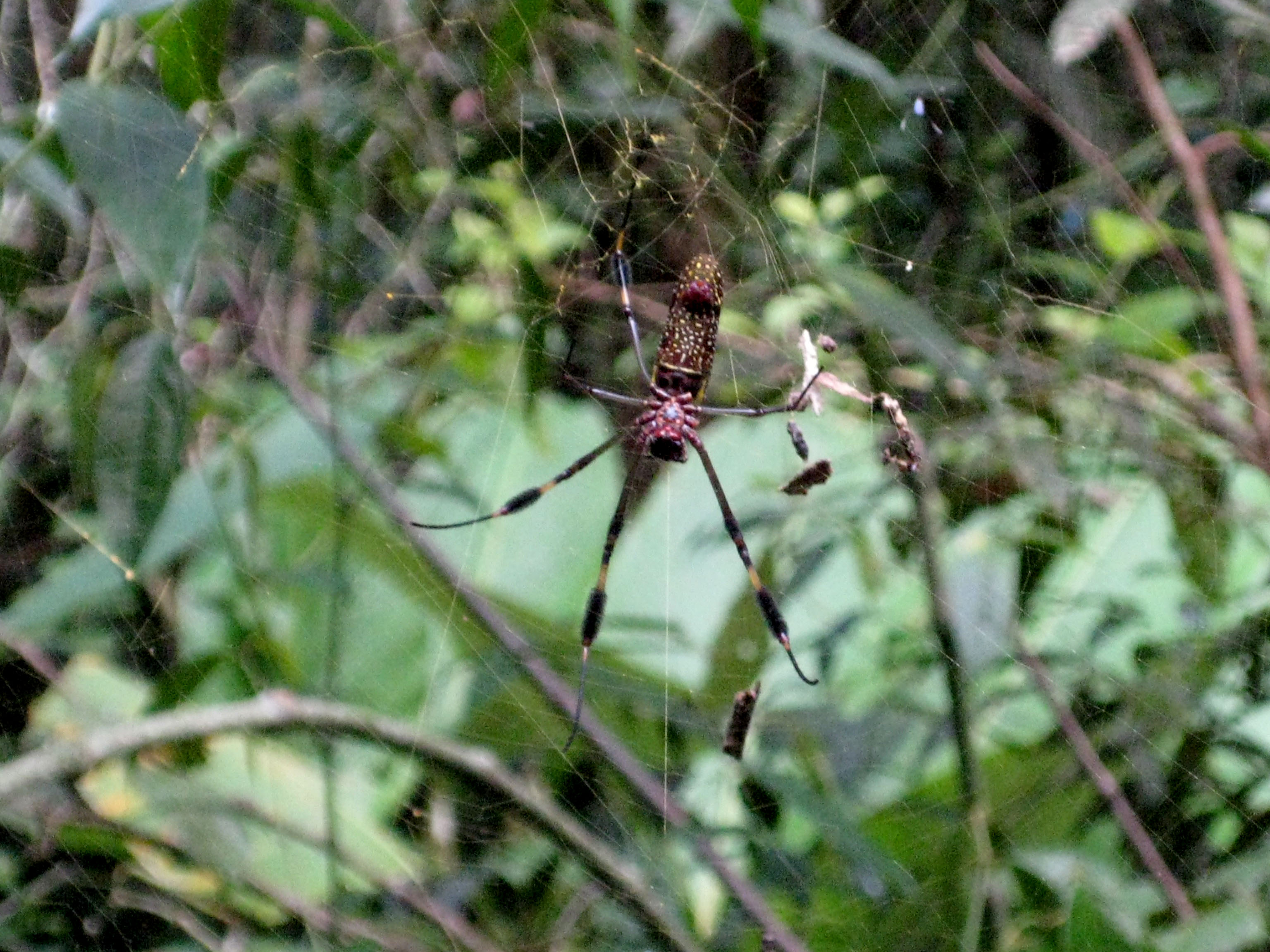
And then we started seeing them.
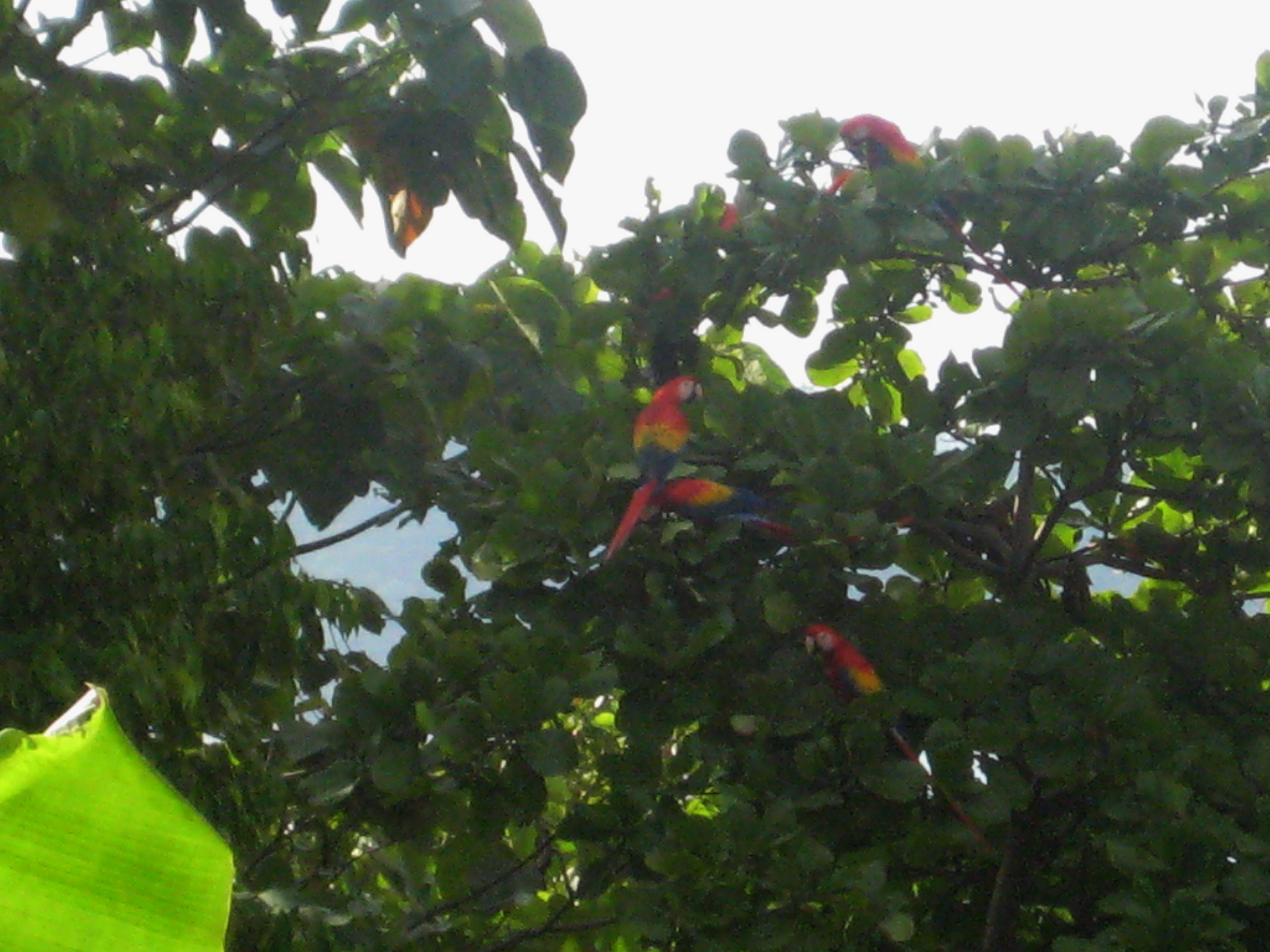
Scarlet macaws.
Several appeared along the way, their brilliant red, yellow and blue plumage almost impossible to miss.
Our driver had told us that macaws were native to Costa Rica’s west coast.
At the time, I didn’t know whether that was completely accurate.
I just knew that seeing those enormous, colorful birds flying through the Costa Rican landscape was pretty damn impressive.
And I had no idea how much wildlife we were about to encounter.
Welcome to Mango Moon
When we finally arrived at Mango Moon Villa, I knew immediately that this wasn’t going to be an ordinary vacation.
Our accommodations were an L-shaped two-room suite, if my memory serves me correctly, divided by the bathroom and situated on an upper level of the property.
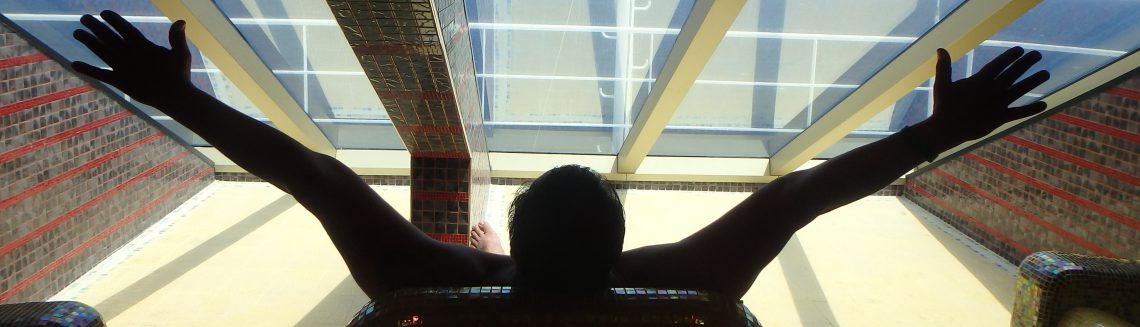
My room overlooked the swimming pool.
The pool was unheated.
In the Costa Rican heat, that wasn’t exactly a problem.
It was actually pretty damn refreshing.
The shower was another story.
We had a small water heater that had to be switched on to heat the water. It was another one of those little reminders that we weren’t in Kansas—or Buffalo—anymore.
You learned quickly that if you wanted a hot shower, you had to remember to turn the heater on first.
And then there was the plumbing.
Margo had warned me before the trip that many countries don’t necessarily handle plumbing the same way we do in the United States.
In some places, toilet paper isn’t flushed down the toilet. Instead, a small wastebasket is placed next to the commode.
I quickly discovered she wasn’t kidding.
It was one of those little cultural differences that makes you realize you’re no longer at home.
Sometimes it’s the smallest things that remind you:
You’re somewhere else.
The Wildlife Had Already Arrived
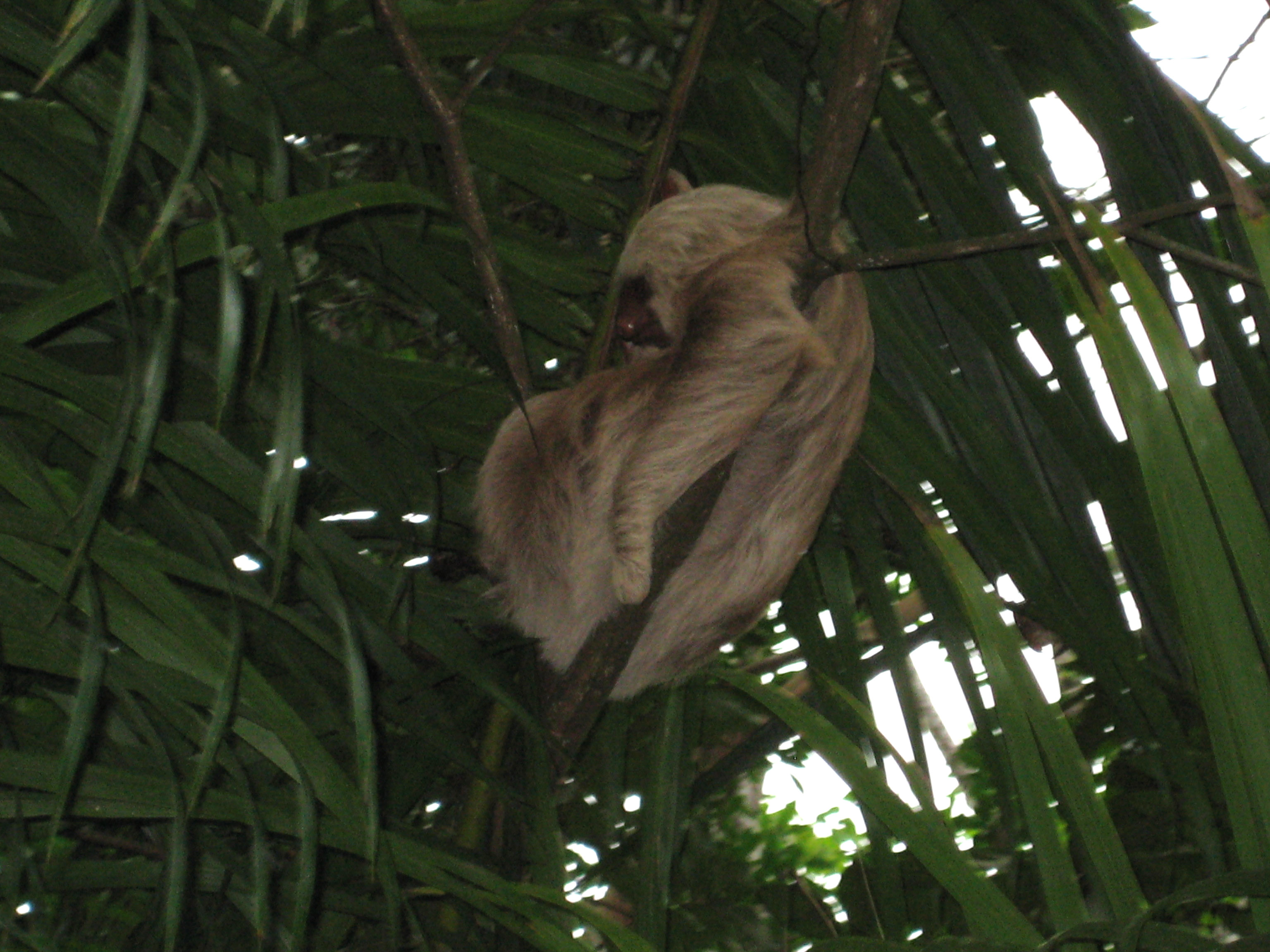
For much of our stay, a three-toed sloth hung above the entrance to Mango Moon.
You couldn’t have asked for a better welcome committee.
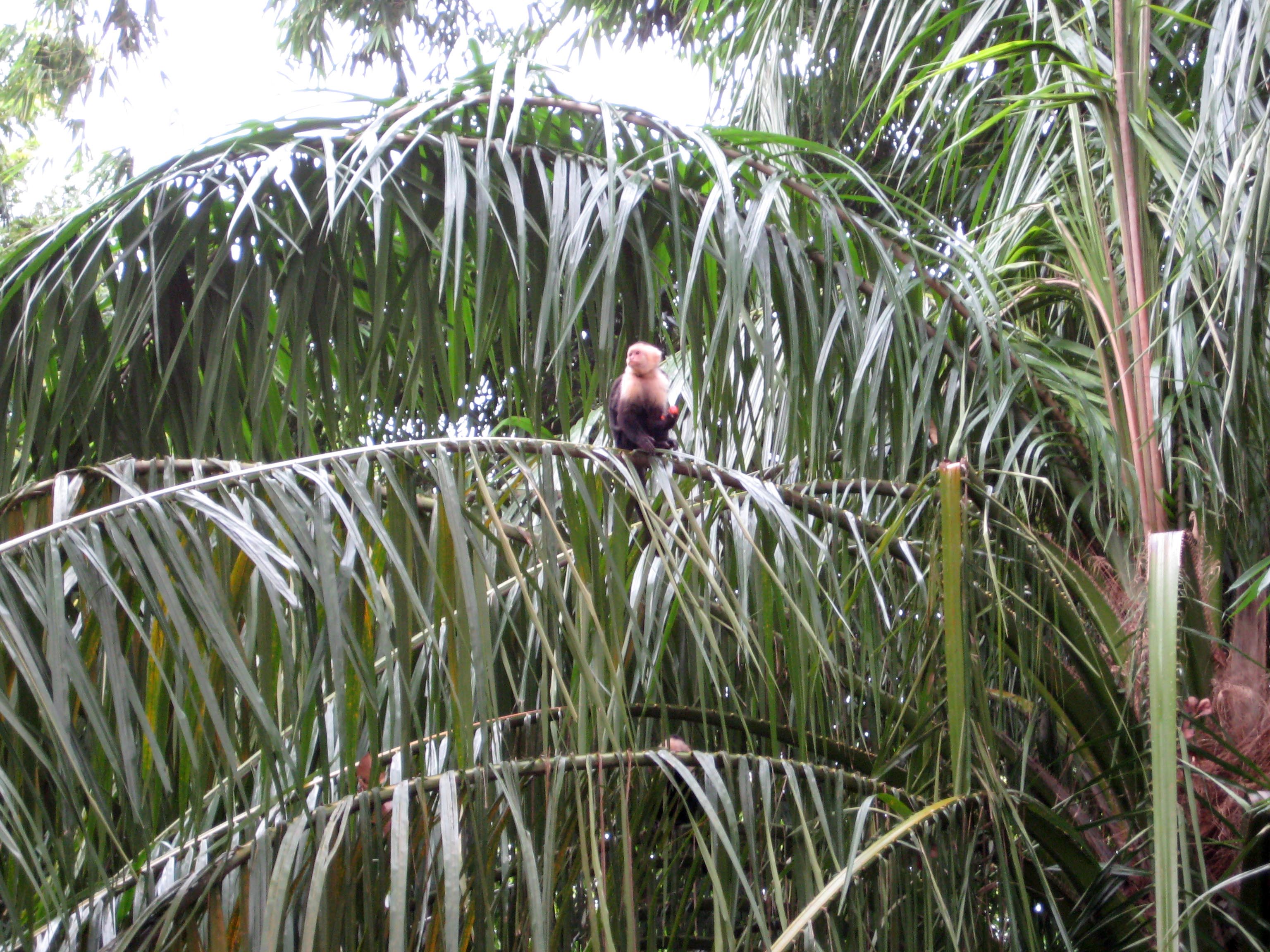
At night, the surrounding jungle came alive with the sounds of neighboring troops of white-faced capuchin monkeys.
You could hear them howling and carrying on somewhere beyond the property.
The jungle wasn’t something we were visiting.
It was surrounding us.
One morning, we even discovered a small crustacean crawling along the bottom of the swimming pool.
Apparently, it had found itself an accidental swimming hole and was desperately looking for a way out.
I don’t remember how it got there.
I just remember thinking:
Only in Costa Rica.
Beans, Rice and the Search for a Hamburger
I also discovered something about myself while traveling internationally.
I will eat local food.
I’ll try new things.
I’ll embrace the culture.
I’ll eat beans and rice for breakfast practically every morning.
But eventually…
I’m going to find a hamburger.
I’m not saying I traveled to Costa Rica for the hamburgers.
But I’m also not saying I didn’t eventually locate one.
I’ve noticed something similar in other countries I’ve visited, including the Dominican Republic. I’ve often found the beef outside the United States to have a flavor that I really enjoyed.
Maybe it’s the preparation.
Maybe it’s the beef itself.
Or maybe everything just tastes better when you’re eating it somewhere completely different from home.
A Little Red Light
During that long drive from SJO toward Quepos, our driver also pointed out a building with a red light illuminated outside.
He told us that a red light like that indicated prostitution.
Now, whether that was an actual local custom or simply something our driver told two curious tourists to entertain us, I honestly can’t say.
At the time, we believed him.
Years later, I find myself wondering about it.
And oddly enough, that little red light became part of a much larger lesson about travel.
A Little Research Never Hurt Anyone
A sidebar from Rob
I’ve become increasingly cantankerous about something over the years.
People.
More specifically, people who are absolutely convinced they understand something they’ve never taken the time to research.
It seems to me that we’re living in a time when people will spend thirty seconds reading a meme on Facebook and immediately decide they’ve become an expert on an entire country, culture, religion or population.
It’s remarkably easy to form opinions about the world while sitting comfortably in our own ivory towers.
But step outside the tower.
Travel.
Look.
Listen.
Talk to people.
You may discover that the world is considerably more complicated than the meme you just shared.
I’ve become particularly frustrated by the stereotypes surrounding immigration.
I once saw someone I respected share a meme essentially telling immigrants—particularly Mexicans and other Hispanics—to stop trying to make America into the country they supposedly ran away from.
My first thought was:
Did you say that to the people living in Little Italy? Chinatown? Little Haiti?
Because if we’re going to criticize people for displaying their heritage, we’d better be prepared to apply that criticism consistently.
But my second question is more important:
Did you ever bother to find out what they were running from?
I’ve personally heard stories from people who came from countries where corruption and violence are part of everyday life. I’ve heard about people being robbed or killed simply because they were wearing jewelry. I’ve heard stories of families losing loved ones to criminals.
And I’ve traveled.
I’ve been in places where people struggle just to get through the day. I’ve seen people living under tarps because that’s what they have for shelter.
I’ve also experienced incredible kindness.
I’ve met people who were proud of their communities.
I’ve seen extraordinary beauty.
I’ve encountered corruption.
I’ve even had police pull me over because they apparently wanted twenty dollars.
And I’ve experienced the other side of that equation, too. In the Dominican Republic, a family connection to a former president once turned a traffic stop involving my wife from a potential hassle into an apology and a wave goodbye.
Life isn’t black and white.
Countries aren’t black and white.
People certainly aren’t.
A friend of mine once had an uncle who would sit with us on the porch, enjoying the clean, fresh air, and casually say:
“I wonder what the poor people are doing.”
At the time, it was funny.
Looking back, there’s something else about that sentence that sticks with me.
It’s remarkably easy to wonder about poverty when you’re sitting comfortably outside of it.
My uncle once told me he was glad he hadn’t taken his two young boys off the resort during a trip to the Dominican Republic because he didn’t want them to see that kind of poverty.
I understood what he meant. They were seven and ten years old.
But it also made me realize how easily we can travel somewhere and never actually see the place we’ve traveled to.
There’s nothing wrong with staying at a beautiful resort.
There’s nothing wrong with enjoying a pool, a nice meal and a little pampering.
But don’t confuse the resort with the country.
Travel has a funny way of taking the filters off.
You see things you don’t understand.
You ask questions.
Sometimes you get the right answer.
Sometimes you get an answer that makes you wonder years later whether somebody was simply pulling your leg.
And sometimes you have to do what I probably should have done more often:
Spend two damn minutes finding out for yourself.
The Jungle Was Calling
Back at Mango Moon, we started asking the manager about local excursions.
Luckily, she spoke English and showed us where and how to use the computer to search nearby excursions.
One of them was zip-lining.
They touted it as one of the longest zip-lining experiences in Costa Rica.
Naturally, I was interested.
What I remember most is the walk.
We walked.
And walked.
And walked some more.
By the time we reached the first platform, I was beginning to wonder whether the zip line was actually at the end of Costa Rica.
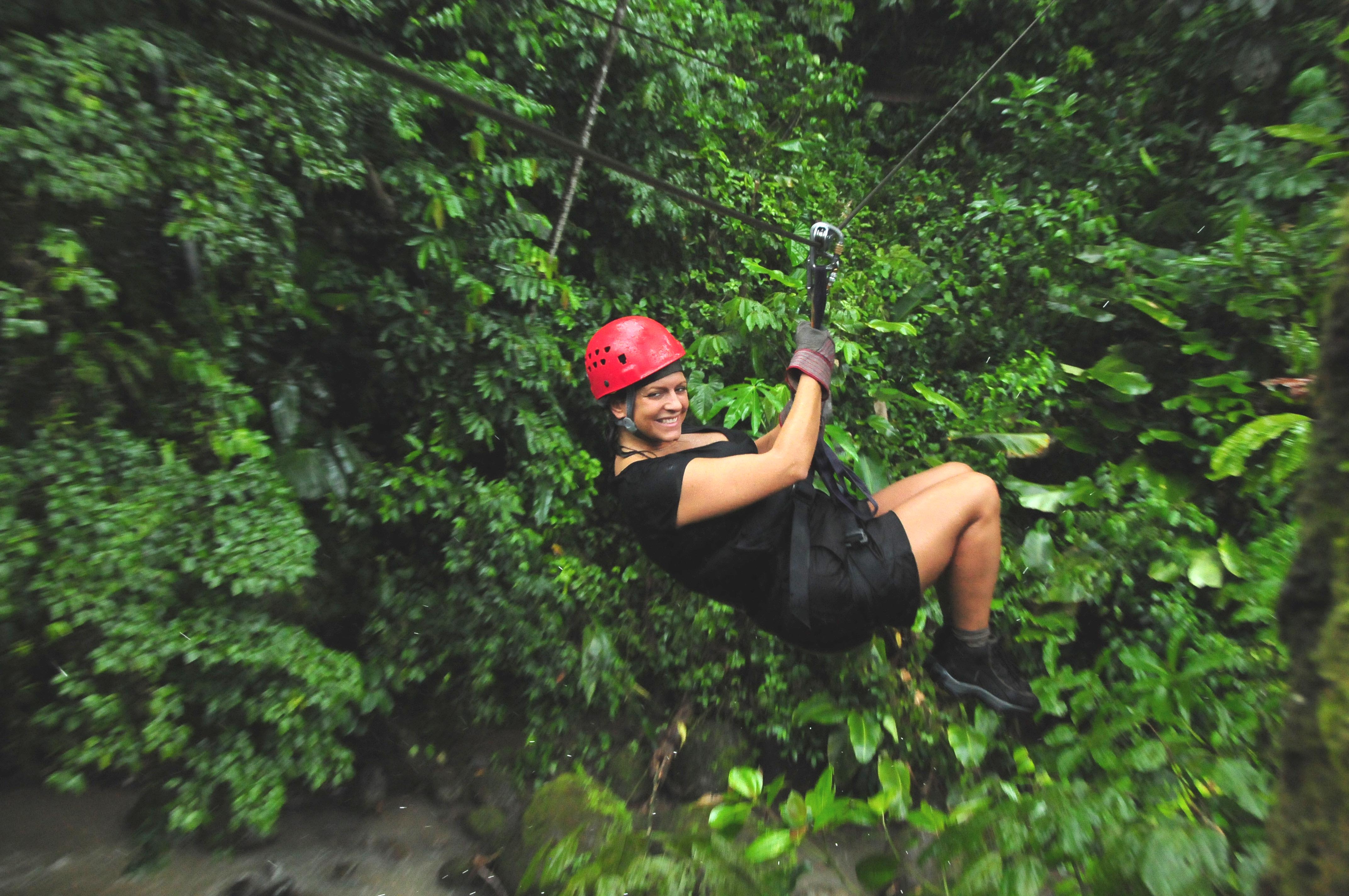
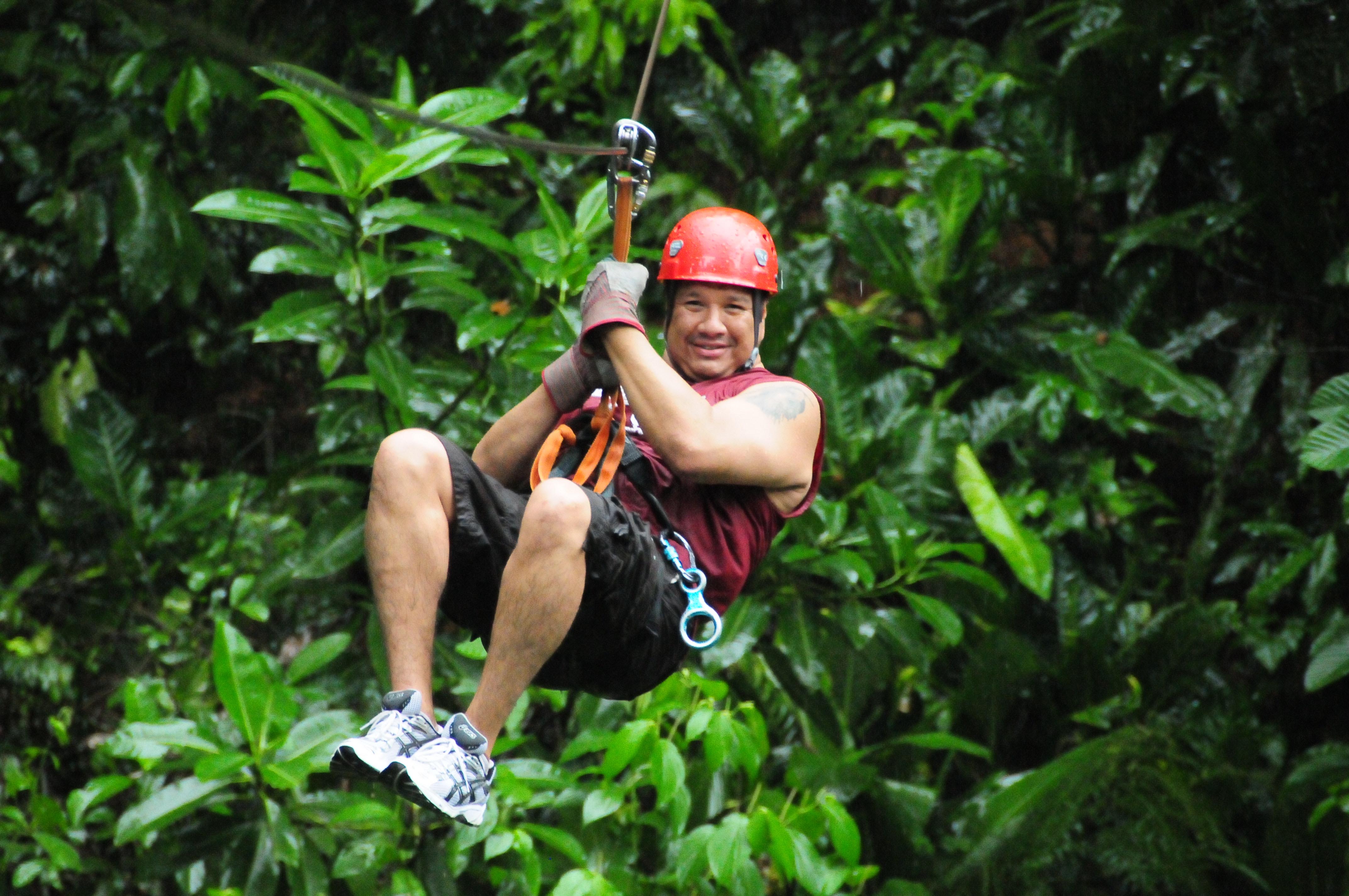
The Manuel Antonio Canopy Safari took us high into the rainforest, where we moved from platform to platform above the jungle.
It was exhilarating.
And then, at the end, there was a 40-foot rappel.
Or at least there was supposed to be.
Being in a tropical rainforest has one distinct disadvantage:
Rain.
The sky opened up.
The rappel was shut down.
Safety first.
I can’t argue with that.
The excursion also included a butterfly sanctuary and serpentarium near the exit.
By then, I was beginning to realize that Costa Rica wasn’t simply somewhere we had gone on vacation.
It was somewhere we were experiencing.
Manuel Antonio National Park
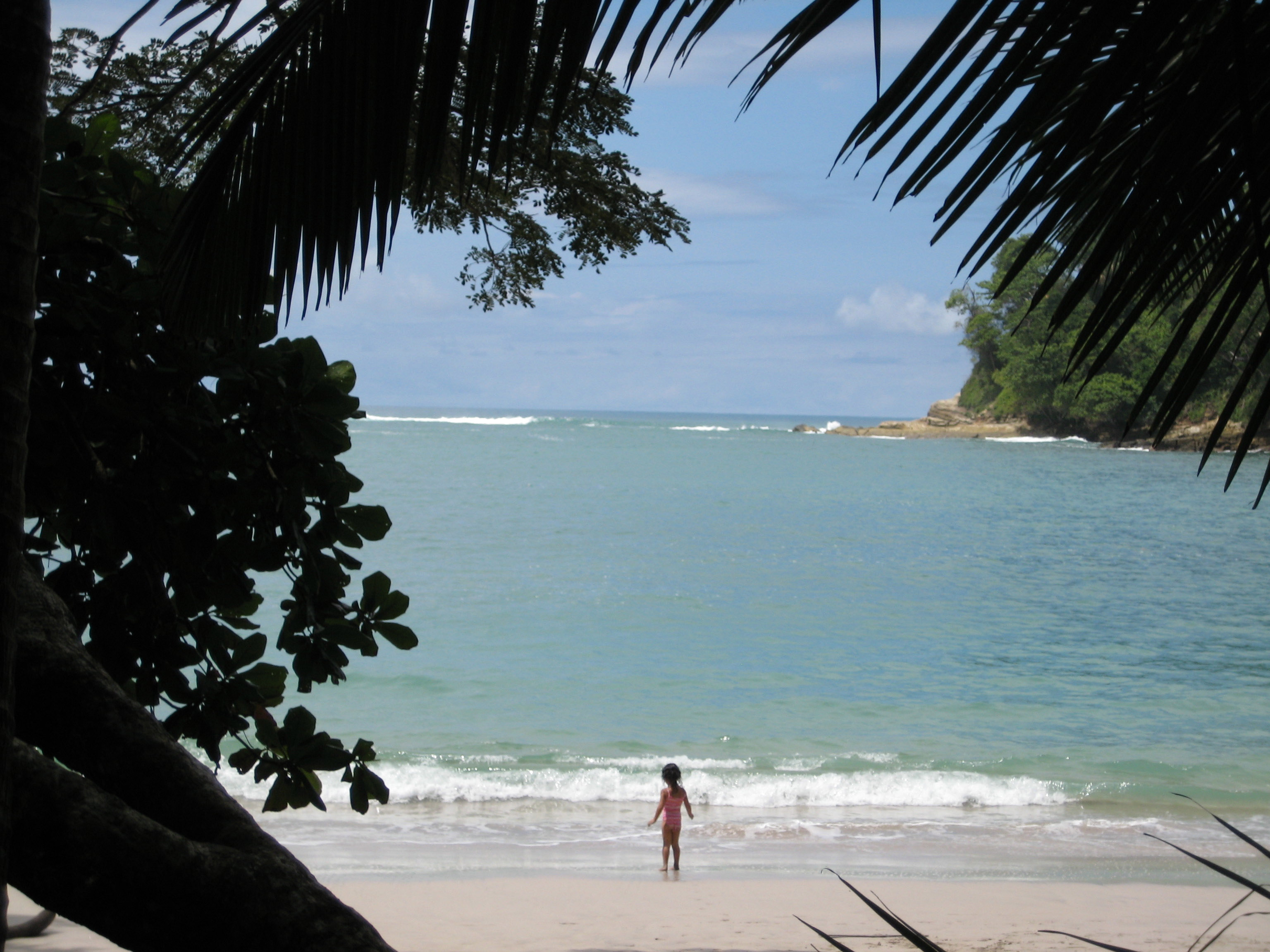
Another excursion took us into Manuel Antonio National Park, one of Costa Rica’s most famous protected areas.
This was one place where we decided having a guide would be worth the extra expense.
We were right.
A knowledgeable guide can see things you simply won’t.
And ours did.
He pointed out foliage and wildlife that we would have walked right past.
He showed us sloths hanging in the trees.
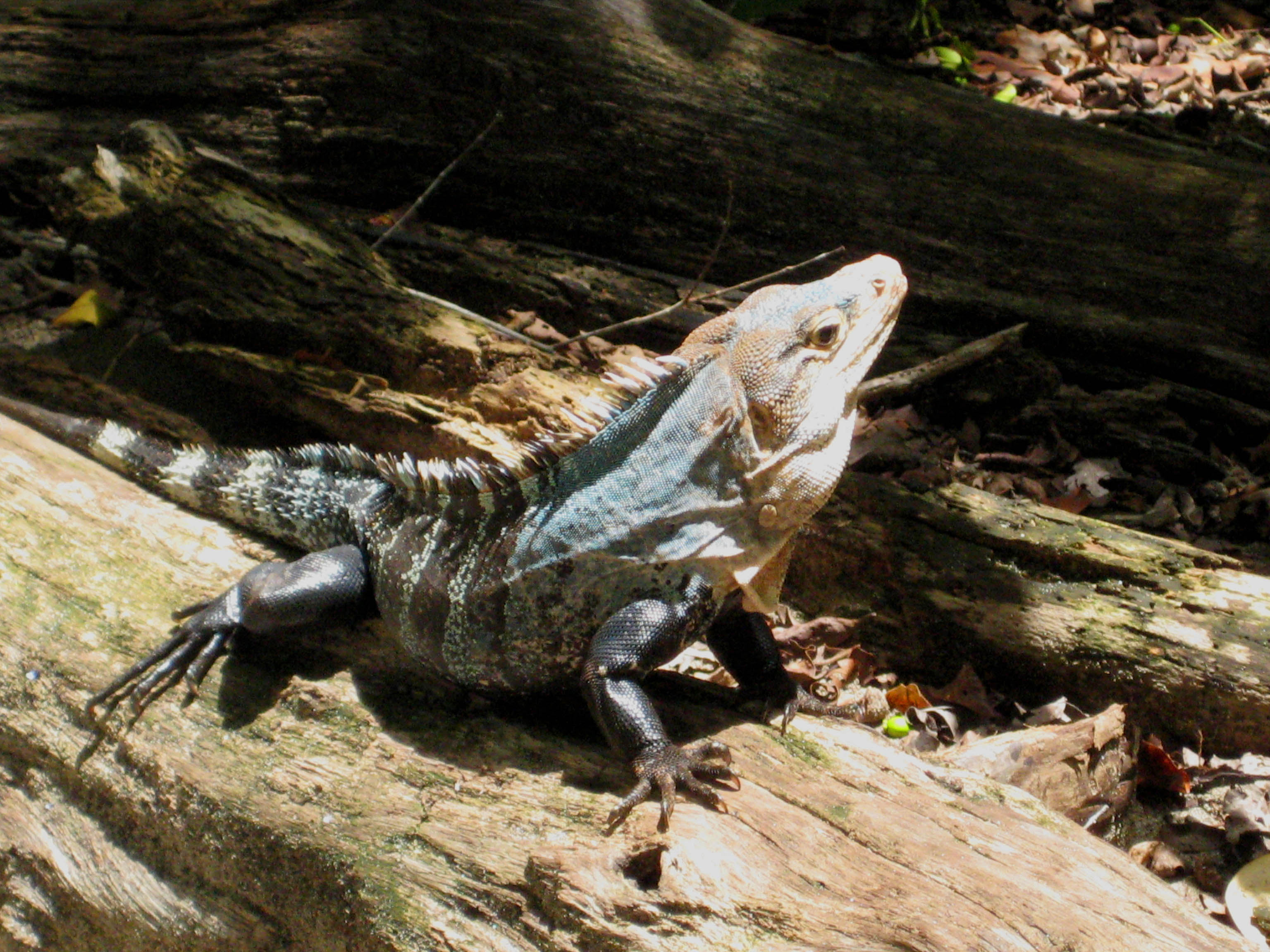
Large iguanas.
And even a particular tree that he strongly advised us not to touch, unless we wanted to contract a serious rash! And who wants that while on a dream vacation?
That was probably some of the best advice we received all day.
The tour lasted roughly four hours, with stops along the way as our guide explained the environment and pointed out things that otherwise would have remained invisible to us.
That experience taught me something I would eventually come to appreciate much more deeply as a photographer:
Sometimes the most important thing isn’t having a better camera.
It’s knowing where to look.
The Cicada Incident
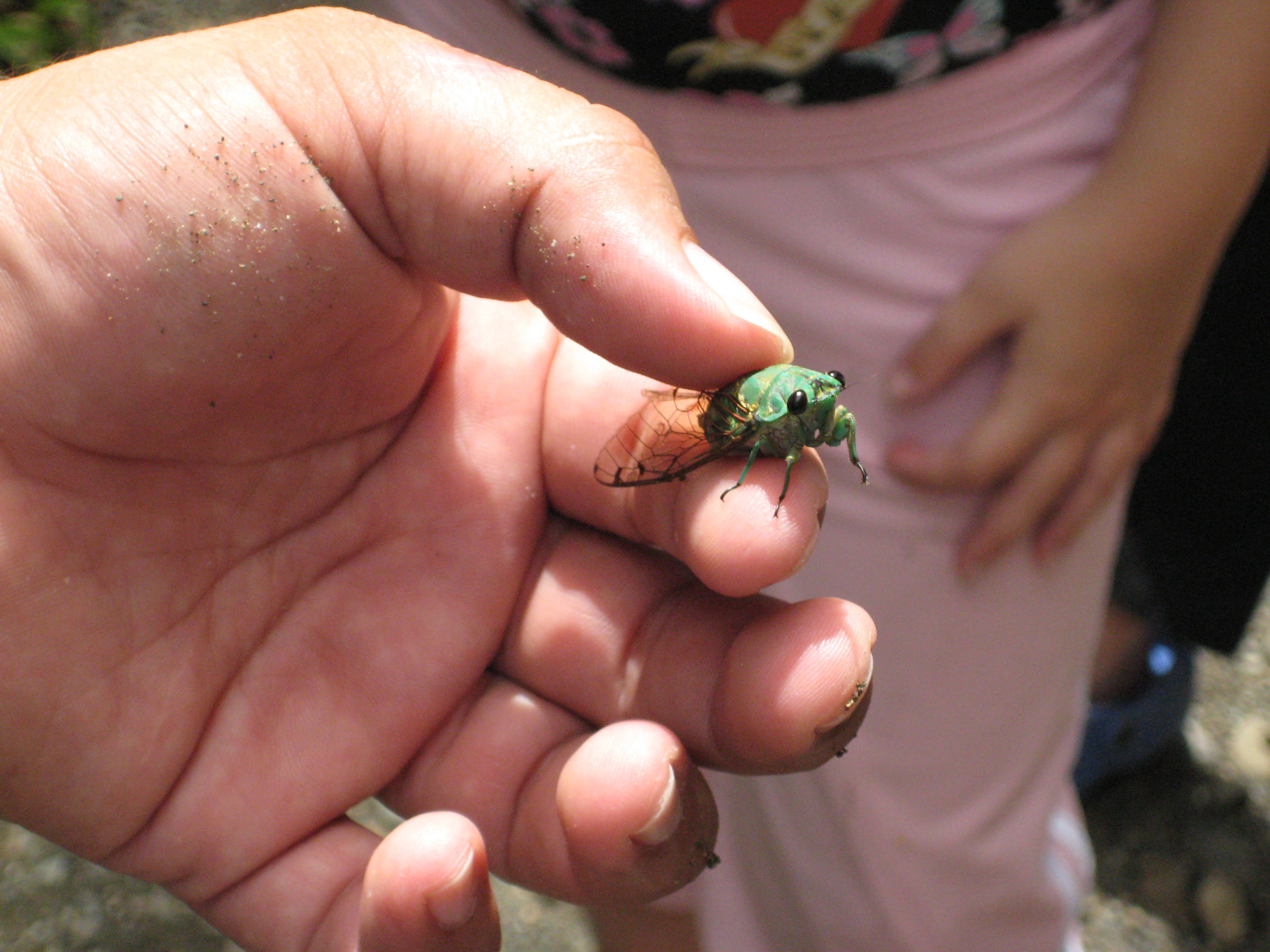
And then there was the cicada.
Our guide found one and began explaining its characteristics to us.
It was a rather large flying insect, and he was pointing out various details when a couple of other tourists wandered over to see what he was talking about.
One person even chimed in with questions.
I looked at Margo.
She looked at me.
And I’m pretty sure we both had the exact same expression:
Who the eff is this guy?
Our guide continued explaining his discovery to the unexpected audience.
Eventually, the tourists moved along.
Our guide returned the cicada to where he’d found it.
The other people were now well out of earshot.
So naturally, I yelled after them:
“Get your own tour guide!”
Margo and I still laugh about that one.
And fortunately, I actually found the photograph I took of the cicada.
So now there is photographic evidence of the crime.
The Boa That Wanted Dinner
One evening, Margo and I walked to a nearby restaurant for dinner.
We settled in, ordered our drinks and began enjoying the evening.
Then something moved out of the corner of my eye.
I looked over.
One of the waiters was approaching the back wall carrying a long-handled broom.
That’s when I saw it.
A boa constrictor, roughly five feet long, was making its way into the restaurant through the soffit.
Apparently, it had developed an interest in what was being served for dinner.
Many buildings in the area weren’t completely enclosed, allowing the tropical breeze to move through them.
Unfortunately for the restaurant, that apparently also meant the occasional snake could decide to stop by.
The waiter used the broom to encourage our unexpected dinner guest to reconsider his reservation.
I don’t remember what we had for dinner that night.
But I certainly remember who almost joined us.
The Feria de Quepos
Another day, we visited the Feria de Quepos, wandering through the market and looking at souvenirs.
Then we heard a loud yelp behind us.
One of the local dogs had apparently gotten its tail caught beneath the wheel of one of the rolling carts.
And that’s when I saw another side of Margo.
Her heart went straight to that dog.
She immediately went over to comfort it, and as she tended to the frightened animal, her eyes welled up.
I honestly think the accident hurt her almost as much as it hurt the dog.
If she’d had any practical way of getting that dog home, I have no doubt she would have tried.
That little moment said a lot about my travel companion.
Margo and I have remained good friends all these years, and Costa Rica certainly gave us enough memories to keep us laughing long after we returned home.
Of course, there was one minor complication to our compatibility as travel partners:
Her New England accent could occasionally drive me absolutely insane.
We were—and remain—great friends.
I just don’t think either of us should ever be trusted to take another extended vacation together.
Camera Lesson #27
Air conditioning and tropical humidity don’t exactly play nice.
One thing I learned in Costa Rica—apparently the hard way—is that taking your camera from an air-conditioned vehicle into hot, humid tropical air can result in condensation forming on the camera and lens.
In other words, don’t jump out of the vehicle, grab the camera and immediately start shooting.
Give the camera a few minutes to acclimate.
At the time, I didn’t know that.
I learned.
And thankfully, my little Canon Elph survived my education.
The Camera That Was There for All of It
And through all of this, I had my trusty Canon Elph.
That’s important to remember.
Because I wasn’t yet the photographer I would eventually become.
Cell phones weren’t remotely what they are today, and international phone rates were enough to make me leave mine alone for the entire trip.
My little Canon Elph was my connection to photography.
I photographed the macaws.
The wildlife.
The jungle.
The places.
The things that caught my attention.
The photographs aren’t technically what I’d eventually consider professional work.
But that’s not really the point.
I was looking.
And for perhaps the first time, I was beginning to understand how much there was to see.
Looking through these photographs today, I can see every limitation of that little Canon Elph.
They’re not the images I’d make today.
But that’s precisely why I treasure them.
They document the photographer I was becoming.
Looking Back
When I think about Costa Rica now, I don’t remember it as simply a vacation.
I remember the three-hour drive from SJO to Quepos.
I remember the macaws.
The palms.
The jungle.
The monkeys howling at night.
The sloth hanging above the entrance to Mango Moon.
The crab in the swimming pool.
The beans and rice.
The hamburger.
The zip line.
The rain that canceled the rappel.
The butterfly sanctuary.
Manuel Antonio.
The guide who taught us what we would have otherwise missed.
The cicada.
“Get your own tour guide!”
The boa constrictor trying to enter the restaurant.
The dog at the Feria.
The shower heater.
The plumbing.
And Margo.
Most importantly, I remember how alive everything felt.
This was one of my first real experiences of traveling somewhere where the world outside my hotel room wasn’t simply scenery.
It was the experience.
And perhaps that’s where Exploring with Rob really began.
I just didn’t know it at the time.
I thought I was going on vacation.
I was actually learning how to look.